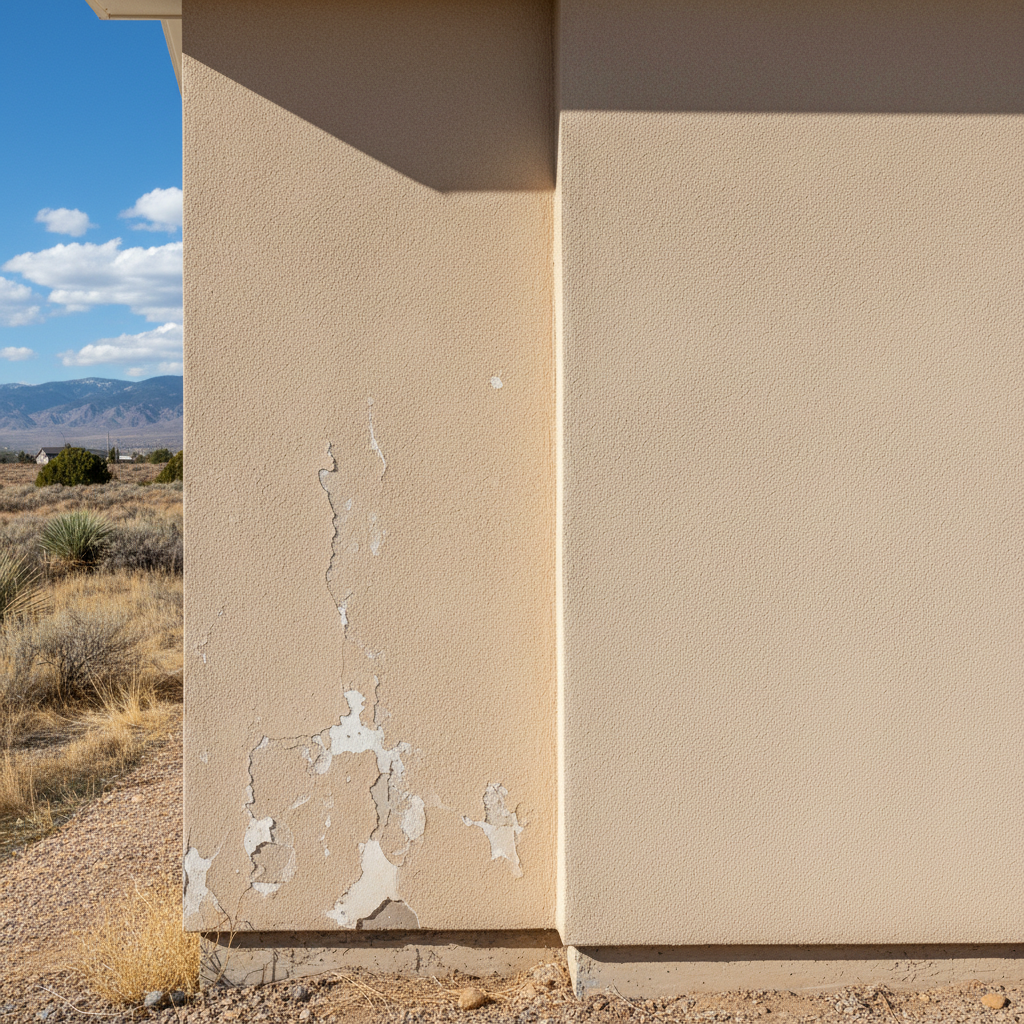
Choosing stucco for your home isn't just about picking a color, you know. You've actually got two main types to think about: traditional (which folks often call hard coat or three-coat) stucco and EIFS (that's Exterior Insulation and Finish Systems), sometimes known as synthetic stucco. I've worked with both for years, right here in Lehi, and honestly, they're pretty different animals. Let's dig into what each one means for your house.
Traditional Stucco: The Old Reliable
When most people picture stucco, they're probably imagining traditional stucco. It's been around for centuries, and there's a good reason for that. It's a mix of Portland cement, sand, lime, and water, applied in layers over a lath (usually wire mesh). You start with a scratch coat, then a brown coat, and finally a finish coat. That's why we call it three-coat stucco, makes sense, right?
Cost
Generally speaking, traditional stucco will be a bit cheaper upfront than EIFS. The materials themselves cost less, and while it takes a lot of work, the installation process is something we all understand well and do often. You're looking at a solid investment that won't totally break the bank compared to some other siding options, but it's not the absolute cheapest thing out there either.
Durability & Maintenance
This stuff is tough. Seriously tough. Once it dries, it forms a hard, rigid shell that can really take a beating from the weather. We get some pretty wild temperature swings here in Lehi – hot summers, cold winters, and that occasional heavy snow that just dumps on us. Traditional stucco handles those changes and impacts really well. Oh, and it's fire-resistant, which is a nice bonus.
Maintenance is pretty simple. You'll want to clean it every so often, maybe every few years, just to get rid of dirt and grime. A power washer on a low setting usually does the trick. Cracks can pop up, especially with our expansive clay soils around places like Traverse Mountain, which can cause foundations to shift a bit. If you see hairline cracks, they're usually just cosmetic and easy to patch up. Bigger cracks need a pro to fix, but those are less common if the stucco was put on correctly.
Appearance
Traditional stucco gives you that classic, earthy, Mediterranean look. It has a natural, slightly textured finish that a lot of people really love. You can get it in a huge range of colors, and we can apply different textures, from super smooth to a rougher, sand-like finish. It's got a timeless appeal that fits well with many of the architectural styles you see around Lehi.
EIFS: The Modern Insulator
EIFS is a newer player in the game, first showing up in Europe back in the 1960s. It's a multi-layered system that includes an insulation board (usually expanded polystyrene, or EPS foam) attached to your home's exterior sheathing. Then comes a base coat with a fiberglass mesh, and finally a finish coat that looks a lot like traditional stucco. The big difference here is that insulation layer, obviously.
Cost
EIFS usually costs more to install than traditional stucco. The materials are more specialized, and putting it on requires a bit more precision to make sure everything's sealed and draining properly. You're paying for that extra insulation and the system's overall complexity. However, you might see some long-term savings on your energy bills, which could help balance out that initial higher cost over time.
Durability & Maintenance
EIFS is also very durable, but in its own way. Because of the foam insulation, it's more flexible than traditional stucco, meaning it's less likely to crack from minor shifts in your home's structure. It's also impact-resistant, though a sharp, direct hit can definitely dent it. The most important thing with EIFS is how it handles water. If water gets behind the system and can't drain out, that can lead to serious problems like rot and mold in your wall structure. Proper installation with a good drainage system is absolutely, positively critical. This is where you really need an experienced contractor, someone like Guardian Stucco Company, who understands all the little details.
Maintenance is similar to traditional stucco – just regular cleaning. You'll want to keep an eye out for any signs of water getting in, like staining or bulging, and deal with them right away. Because of the insulation, EIFS can also be more vulnerable to damage from birds or insects if the finish coat gets compromised, as they might try to nest or burrow into the foam.
Appearance
From a distance, EIFS can look almost exactly like traditional stucco. It offers an even wider range of colors and textures, and because it's more flexible, we can shape it into more intricate architectural details like cornices and arches. This gives architects and homeowners a lot of design freedom, which is great. It can also achieve a very smooth, uniform look that some people prefer.
So, Which One's Right for Your Lehi Home?
Alright, let's just get to it. For most homeowners in Lehi, especially considering our local climate and how we usually build things, I generally recommend traditional stucco.
Here's why:
- Proven Track Record: It's a system that's been around forever, and we know it works well in our climate. It's tough and pretty forgiving.
- Moisture Resistance: No siding is completely waterproof, I'll grant you that, but traditional stucco is naturally more breathable than EIFS. Any moisture that inevitably gets into the wall cavity can usually dry out more easily. With EIFS, if the drainage isn't perfect, you're just asking for trouble, and trust me, fixing water damage behind EIFS is a total nightmare.
- Cost-Effectiveness: You get excellent durability and a great look for less money upfront.
- Ease of Repair: When repairs are needed, traditional stucco is generally simpler and cheaper to fix correctly.
Now, don't misunderstand me, EIFS isn't bad. When a highly skilled crew installs it perfectly, with all the right flashing and drainage details, it can be a fantastic, energy-efficient system. But there's just less room for error. Given our sometimes intense rain and snow, and the potential for ice damming in winter, I tend to favor the system that's more resilient to minor imperfections in the long run.
Ultimately, the best choice really depends on your specific home, your budget, and what you care about most. But if you're looking for a solid, reliable, and beautiful exterior that will stand up to everything Lehi weather throws at it without constant worry, traditional stucco is usually your best bet. It's what I'd put on my own home, and what I recommend to my neighbors.