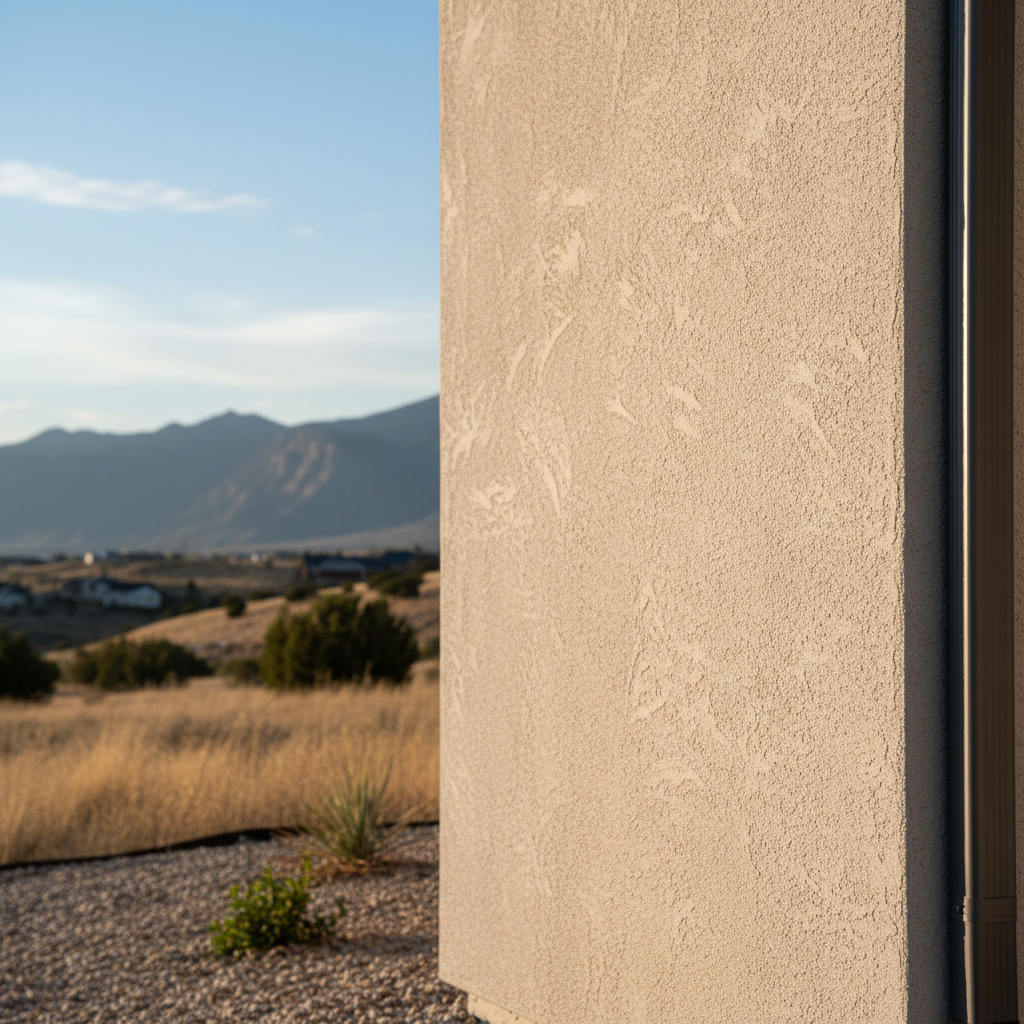
So, you're looking at your stucco, maybe it's seen better days, or you're just ready for a change. Redashing is a big topic, and honestly, I get a lot of questions about it from folks right here in Lehi. It's not just slapping on a new coat; there's a lot that goes into doing it right. I'm going to tackle some of the most common things people ask me, giving you the straight answers you need.
What exactly is stucco redashing, and how is it different from a repair or painting?
Alright, let's clear this up first. When I talk about redashing stucco, I'm talking about applying a brand-new finish coat over your existing stucco system. It's not just a patch job like a repair, where we're fixing cracks or holes. And it's definitely not painting. Painting puts a thin layer of color on top, which can look good for a bit, but it doesn't add any structural integrity or moisture protection to the same degree a proper dash coat does. A redash is a fresh, thicker layer of stucco material, designed to revitalize the look, improve durability, and often enhance the weather resistance of your home. We're essentially giving your stucco a whole new skin, you know?
Can you redash over any type of existing stucco, or are there limitations?
That's a great question, and the answer is, it depends. Most traditional stucco systems can be redashed without a problem, assuming the underlying layers are sound. If your stucco is falling off in chunks, or you've got serious moisture issues behind it, then a redash probably isn't the first step. We'd need to address those structural or moisture problems first, which might involve more extensive repairs or even partial replacement. If you have EIFS (Exterior Insulation and Finish System), it's a different ballgame. While you can apply a new finish coat to EIFS, it's a specialized process, and you need to make sure the original system is intact and not compromised. I always recommend a thorough inspection before we even think about redashing, especially with the varied soil conditions and foundation settling we sometimes see in older Lehi neighborhoods near the lake.
What's the typical process for a stucco redash project?
When Guardian Stucco Company takes on a redash job, we've got a pretty clear process. First, we do that inspection I just mentioned. We're looking for loose stucco, major cracks, or signs of water intrusion. Any significant issues get addressed with repairs. Then, we clean the existing stucco thoroughly. You wouldn't put a new coat of paint on a dirty wall, and it's the same principle here. Sometimes we'll apply a bonding agent to make sure the new dash coat sticks perfectly. After that, we mix up the new stucco finish material – we can match existing textures or go with something new, whatever you're looking for. Then, we apply the new finish coat, carefully working to achieve a consistent texture and appearance across your whole home. It's usually a single layer, but it's applied skillfully to ensure it bonds well and looks fantastic. Finally, we clean up the site, leaving your home looking sharp.
How long does a stucco redash typically last, and what affects its lifespan?
A well-done stucco redash, using quality materials and proper techniques, should easily last 20-30 years, sometimes even longer. Think of it as giving your home another couple of decades of fresh, durable exterior. What affects that lifespan? A few things. Quality of materials is huge – cheap stuff won't hold up. The skill of the application matters a ton; if it's not mixed or applied correctly, you'll see problems sooner. And then there's maintenance. Even with a new dash, you still need to keep an eye on things. Regular cleaning, addressing minor cracks quickly, and making sure your gutters are working properly to direct water away from your walls – all these things contribute to how long your redash will look good and perform its job. Our harsh Utah winters, with their freeze-thaw cycles, can be tough on any exterior, so good maintenance is key.
Will redashing change the texture or color of my home's exterior?
Absolutely, that's often one of the main reasons people choose to redash! You get to pick a whole new color and texture if you want. Maybe your old stucco was a smooth finish, and you're dreaming of a more traditional sand finish. Or perhaps you want to go from a light beige to a deeper, richer tone. We can do that. We'll work with you to pick out the perfect color and texture that complements your home's style and your personal preferences. It's a fantastic way to give your entire home a complete facelift without the expense of a full stucco replacement. It's like getting a brand new exterior without tearing everything off, isn't it?
Is redashing a good option if I'm looking to improve my home's energy efficiency?
While a redash primarily focuses on the aesthetic and protective outer layer of your stucco, it can offer some minor improvements in energy efficiency, but it's not its main purpose. A fresh, properly applied dash coat creates a more continuous and uniform barrier against the elements, which can reduce air infiltration slightly. However, if energy efficiency is your primary goal, you'd be looking at more comprehensive solutions like adding insulation behind the stucco, or considering a full EIFS system replacement, which incorporates continuous insulation. A redash alone won't dramatically lower your energy bills, but it certainly won't hurt, and a well-sealed exterior always contributes to a more comfortable indoor environment.
What's the best time of year to schedule a stucco redashing project in Lehi?
Here in Lehi, the weather plays a big role in stucco work. The ideal conditions for redashing are generally mild temperatures – not too hot, not too cold – and low humidity. This means spring and fall are usually the sweet spots. In spring, after the last frosts have passed but before the intense summer heat kicks in, you get good curing conditions. Fall, after the summer heat breaks but before the deep freezes arrive, is also excellent. Trying to do it in the dead of winter when temperatures consistently drop below freezing, or in the peak of summer when the stucco can dry too fast, can lead to issues with curing and cracking. We're always watching the forecast closely to make sure we're working in optimal conditions for the best possible outcome for your home.
How do I know if my stucco needs redashing versus just a good cleaning or minor repairs?
That's a common dilemma. If your stucco just looks a bit dingy but is otherwise solid, a good pressure washing might be all it needs. If you've got a few small hairline cracks or minor chips, those are usually simple repairs. You'd consider redashing when the existing finish coat is showing widespread signs of wear – maybe it's chalking significantly, the color is severely faded and inconsistent, the texture is eroding, or you have numerous small, interconnected cracks that suggest the finish layer itself is failing. It's about the overall condition of the finish. If your home looks tired and those smaller fixes aren't going to cut it, a redash is probably what you're looking for to give it that brand-new look and extend its life.