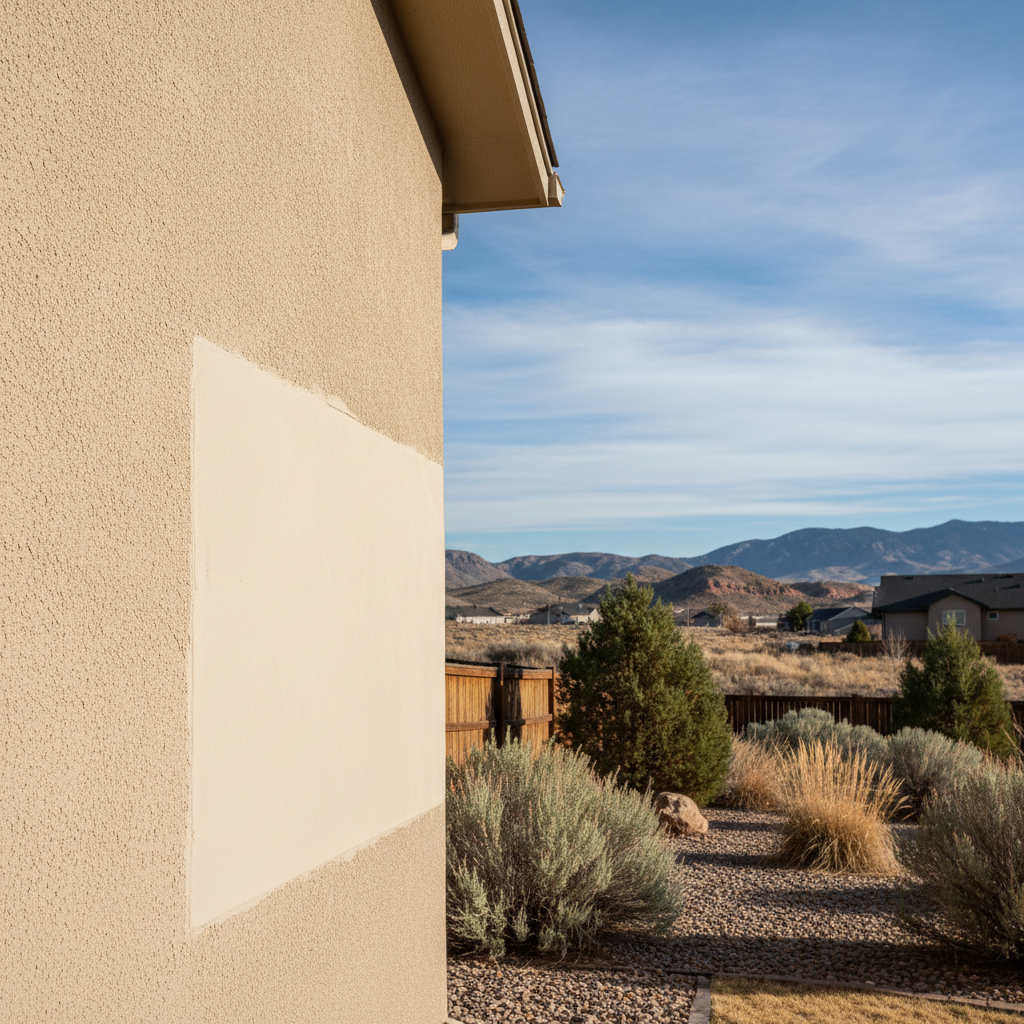
So, you've got stucco on your Lehi home, or maybe you've just had some repair work done. That's great! Stucco's a fantastic, durable siding, especially for our climate here in Utah. But "durable" doesn't mean "indestructible," does it? A little bit of smart maintenance goes a long way in making sure your investment lasts and your home keeps looking sharp.
Extending the Life of Your Stucco Repairs
You've just fixed a crack or patched up some damage. Good job! Now, how do you make sure that repair actually holds up? First off, if Guardian Stucco Company did the work, you can bet we used high-quality materials and proper techniques. But even the best repair needs a little help from you.
The biggest thing is making sure whatever caused the original damage isn't still an issue. If water got in, you need to fix the source. Maybe it was a leaky gutter, a sprinkler hitting the wall, or a window that wasn't sealed right. A repair is only as good as the conditions around it, after all. If the area stays wet, you're just going to have the same problem pop up again, maybe even worse. Also, keep an eye on that specific repair for the first few months. Make sure it's blending in well and not showing any new hairline cracks. Sometimes, minor settling can happen, and it's always easier to address early.
Regular Stucco Maintenance: What You Need to Do
This isn't rocket science, folks. Most of what you need to do is just common sense and a little bit of observation. Think of it like checking the oil in your car – simple, but absolutely crucial.
- Clean it regularly: Stucco can get dirty, especially with all the dust we get blowing in from the west desert. A gentle wash with a garden hose and a soft brush can do wonders. For tougher spots, a mild detergent and water mixture works fine. Just don't use a high-pressure washer too close or too strong; you can damage the finish.
- Trim back vegetation: Trees, shrubs, and vines growing directly against your stucco are a big no-no. They hold moisture against the wall, which is a recipe for disaster. They can also scratch the surface and even provide pathways for insects. Keep them trimmed a good six inches to a foot away.
- Check your gutters and downspouts: This is huge, especially with our heavy snowmelt and spring rains. Make sure your gutters are clean and directing water away from your foundation and stucco walls. Overflowing gutters are a primary cause of stucco damage.
- Inspect your caulk: Around windows, doors, and where the stucco meets other materials (like trim or the foundation), there's usually caulk. This stuff degrades over time, especially with our hot summers and freezing winters. Check it annually and reapply if you see cracks or gaps.
Warning Signs of Stucco Problems
You don't need to be a stucco expert to spot trouble. Just walk around your house a couple of times a year, maybe after the snow melts and again in the fall. Here's what I tell my neighbors in Lehi to look for:
- Cracks: Hairline cracks are pretty common and usually not a big deal. But if you see cracks wider than a credit card, or if they're forming a spiderweb pattern, or running diagonally from the corners of windows and doors, that's a red flag. Those often indicate structural movement or water damage.
- Stains or discoloration: Dark streaks, especially under windows or near the roofline, almost always mean water is getting where it shouldn't be. Green or black spots? That could be mold or mildew, which points to persistent moisture.
- Bulging or soft spots: Push gently on the stucco in different areas. If it feels soft, spongy, or you can see it bulging outwards, that's a serious sign of water damage behind the stucco. This is definitely a 'call a pro' situation.
- Peeling paint or efflorescence: If your stucco is painted and the paint is peeling, it could be a sign of moisture trapped underneath. Efflorescence, which looks like a white, powdery substance, is mineral salts left behind when water evaporates from the stucco. It means water is moving through the wall.
- Separation: If the stucco is pulling away from window frames, door frames, or the foundation, those gaps are open invitations for water to get in.
When to Call a Professional
Look, I'm a big believer in DIY for small stuff. But some things are just beyond the average homeowner's scope, and trying to fix them yourself can actually make things worse and more expensive in the long run. If you see any of those serious warning signs – wide cracks, bulging, persistent staining, or large areas of damage – it's time to call in someone who knows what they're doing.
Especially here in Lehi, where we've got that clay-heavy soil that can shift, and those big temperature swings, proper stucco installation and repair is crucial. Water intrusion is the number one enemy of stucco, and if you don't address it correctly, you're just putting a band-aid on a bigger problem. We've seen it all, from minor fixes to full-blown re-dashes because a small issue was ignored. Don't let that be your house. Give Guardian Stucco Company a call if you're unsure. We're happy to take a look and give you an honest assessment.