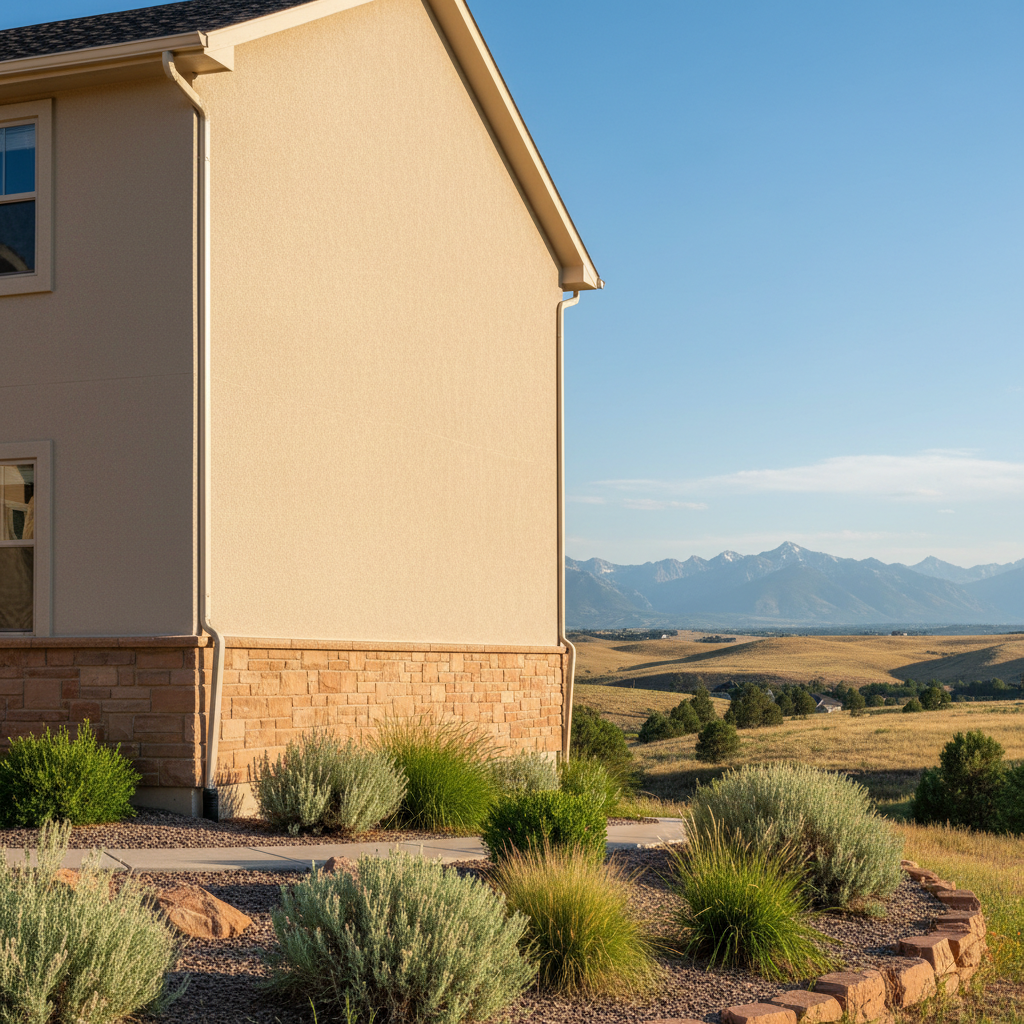
Got stucco on your house? You want it to last, right? Smart move. A well-kept stucco exterior isn't just about looking good; it's the first thing protecting your home from our crazy Utah weather. I've seen tons of homes around Lehi, from those old farmhouses near Thanksgiving Point to the newer places up in Traverse Mountain. The ones that really hold up? They belong to homeowners who stay on top of things.
Want Your Stucco to Last Longer? Protect It.
Think of your stucco like your skin. If you don't take care of it, it's going to show wear and tear a lot faster. For stucco, making it last boils down to a few key things, mostly keeping water out and stopping physical damage.
- Keep it Clean: Dirt, dust, and general grime aren't just ugly. They can actually hold moisture right against the stucco surface, which is a perfect invitation for mold and mildew. A gentle wash every year or two with a garden hose and a soft brush can seriously help. Just avoid those high-pressure washers unless you really know what you're doing; you can easily damage the finish or even push water behind the stucco.
- Handle Water Runoff: This is a big one in Lehi, especially with all our snowmelt and spring rains. Make sure your gutters are clean and actually sending water away from your foundation and walls. Downspouts should stretch out several feet from the house. And if you've got landscaping, check that sprinklers aren't constantly dousing the stucco. That endless cycle of wetting and drying? It's a killer.
- Sealants and Caulking: Take a look around your windows, doors, and any spots where things like utility lines or dryer vents poke through. The caulk there is your last defense against water sneaking behind the stucco. If it's cracked, shrunk, or just plain gone, you need to replace it. This is often a pretty simple job you can tackle yourself with some good quality exterior caulk.
- Paint or Elastomeric Coatings: If your stucco is painted, a fresh coat every 7-10 years isn't just for looks. A decent exterior paint or elastomeric coating adds another layer of protection against moisture and UV damage. Just be sure the stucco is clean and dry before you start painting.
Regular Upkeep: What You Should Be Doing
So, what does this actually look like day-to-day, or season-to-season? It's not brain surgery, but it does need a little attention.
- Seasonal Walk-Arounds: I tell all my clients to do a quick loop around their house at least twice a year. Once in the spring after the snow melts, and again in the fall before winter hits. Just look at everything. See anything obviously wrong?
- Check Gutters and Downspouts: Make sure they're clear of leaves and other junk. This is super important before winter to stop ice dams that can force water back up under your roof and behind your stucco.
- Inspect for Cracks: Small hairline cracks are usually just cosmetic, no big deal. But anything wider than a credit card's thickness? That needs a closer look. We'll talk more about cracks in a minute.
- Look for Stains: Dark streaks, especially under windows or near the roofline, usually mean water is getting somewhere it shouldn't.
Warning Signs: Don't Ignore These
Your stucco will usually tell you when it's not happy. You just need to know what to look for.
- Cracks: Hairline cracks are common, and usually nothing to worry about. But if you see cracks wider than 1/8 inch, or a spiderweb pattern, or cracks running horizontally or diagonally from window and door corners — that's a red flag. Those could be structural issues or point to serious water getting in.
- Discoloration or Staining: Green or black patches usually mean mold or mildew, often from constant moisture. Rust-colored streaks can mean metal lath or fasteners are corroding behind the stucco.
- Bulging or Soft Spots: If you push on an area of stucco and it feels soft, spongy, or bulges out, that's a serious problem. It means water has gotten behind the stucco and is probably rotting the sheathing or framing underneath. This needs professional help right away.
- Efflorescence: This is a white, powdery substance on the surface. It's mineral salts left behind when water evaporates from inside the stucco. It signals that water is getting in and moving through the stucco, even if you don't see other damage yet.
- Pest Infestations: Stucco can become a home for insects if there are cracks or openings. If you spot signs of pests going in or out of the stucco, it could mean there's underlying damage.
When to Call a Pro
Look, I'm a big fan of homeowners doing what they can. But sometimes, you absolutely need to call in someone like us at Guardian Stucco Company. You really don't want to mess around with these kinds of issues.
- Significant Cracks: If you've got those wider cracks, spiderweb patterns, or cracks that seem to be growing, don't just try to caulk over them. A professional can figure out the cause and fix it properly, which often means cutting out the damaged section and re-stuccoing.
- Water Intrusion Signs: Any bulging, soft spots, or persistent staining that suggests water is getting behind the stucco is a critical problem. This is where real damage happens, leading to rot, mold, and expensive repairs if you ignore it. We've seen homes in neighborhoods like the Preserve at Fox Hollow where what looked like a small stain turned into a huge structural repair because water had been getting in for years.
- Stucco Failure Around Openings: If the stucco is crumbling or coming off around windows, doors, or other openings, that's a sign the flashing or sealing has failed, and water is getting in.
- You're Unsure: Honestly, if you see something and you're not sure if it's a big deal or not, just call. A quick inspection from a pro can save you thousands later on. We'd rather put your mind at ease than see you dealing with a much bigger problem down the road.
Taking care of your stucco isn't a one-and-done kind of job. It's ongoing. But with just a little attention, you can keep your Lehi home looking great and protected for decades.