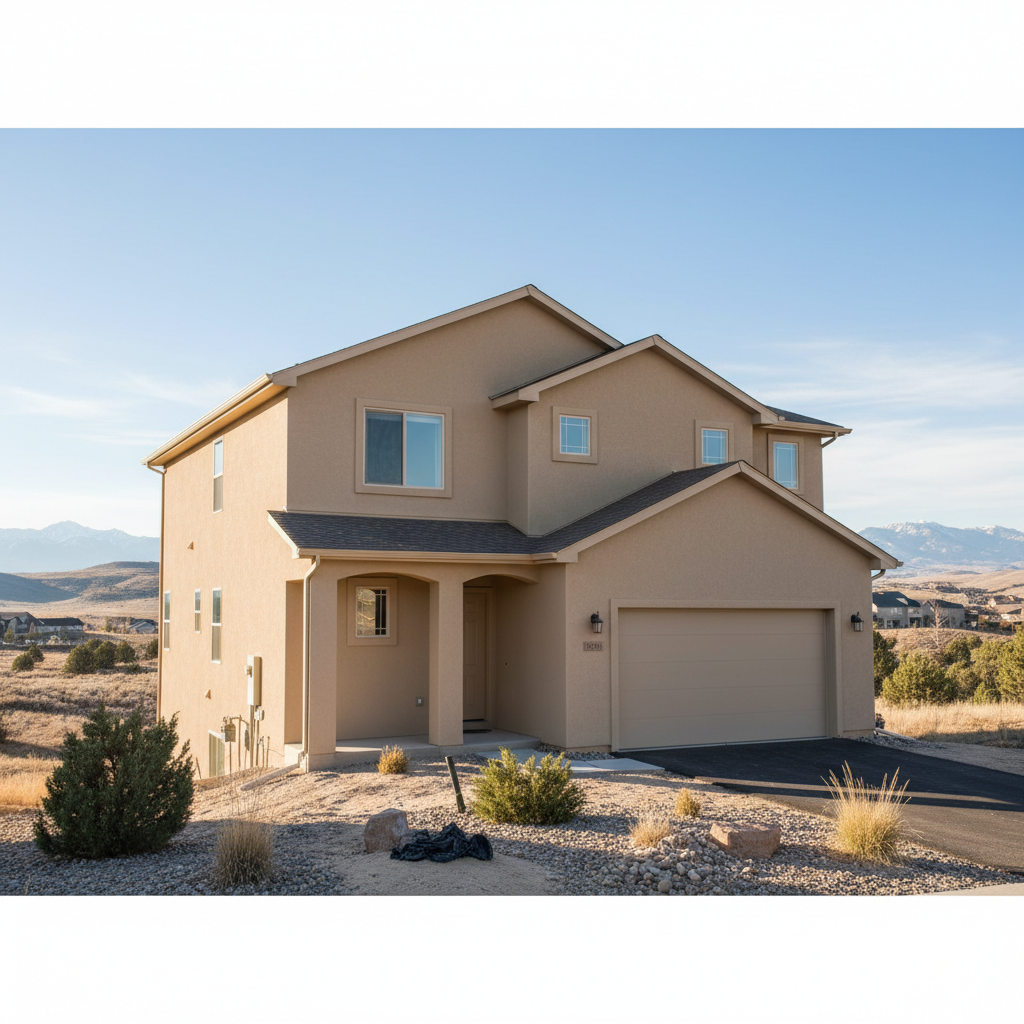
Alright, let's talk about EIFS – that's Exterior Insulation and Finish Systems. It's a really good product, especially for our climate here in Lehi, offering fantastic insulation and a clean, modern look. But when you're thinking about getting it installed, one of the first questions that pops into your head is always, "What's this going to cost me?"
I totally get it. Nobody likes surprises. So, I'm going to lay out what you can generally expect for EIFS installation costs right here in Lehi, what makes those numbers jump around, and how you can be smart about your investment.
What Makes EIFS Installation Pricing Change?
There isn't just one price for EIFS, you know? And anyone who gives you a flat rate without actually looking at your specific project probably isn't someone you want to work with. Here's what I look at when I'm putting together a quote:
- Total Square Footage: This is the big one, obviously. More wall space means more materials and more labor. Pretty simple, right?
- Building Complexity: Is your home a simple box, or does it have a lot of jogs, bump-outs, arches, columns, or intricate architectural details? Every single corner, every angle, every window and door opening adds time and needs specialized labor. A straightforward, two-story house with minimal features will always be cheaper per square foot than a custom home with lots of ins and outs.
- Insulation Thickness: EIFS comes with different insulation thicknesses – usually 1 inch, 2 inches, or even more. Thicker insulation costs more for the material itself and can sometimes require slightly different fastening methods, which adds to the labor. Most folks around here go with 1.5 to 2 inches for good energy efficiency.
- Finish Type and Texture: You've got options here, from super smooth finishes to coarse, sand-like textures, and even brick or stone imitation. Finer, smoother finishes often need more careful application to look perfect, which can increase labor. Specialty finishes like stone imitations are also more expensive, naturally.
- Accessibility: Can we easily get ladders and scaffolding around your house? If we have to work around tight landscaping, steep grades, or if you've got a really tall section that needs specialized lifts, that's going to add to the labor cost.
- Existing Substrate Condition: What are we putting the EIFS over? If it's new sheathing, that's ideal. If we have to remove old siding, repair damaged sheathing, or deal with mold, that's extra work and cost.
- Water Management Details: This is crucial, especially with our heavy snowmelt and spring rains in Lehi. Proper flashing around windows, doors, and rooflines, and kick-out flashing where the roof meets a wall, is non-negotiable. If a contractor tries to cut corners here, run the other way. Good water management adds to the material and labor but prevents huge problems down the road.
Typical EIFS Cost Ranges in Lehi
Based on what I've seen with Guardian Stucco Company and other reputable outfits in the area, you're generally looking at a range of $10 to $18 per square foot for EIFS installation. This includes materials, labor, and standard water management details.
- Basic, straightforward installation: For a simpler, less complex home with standard finish and 1-2 inches of insulation, you might see prices closer to the $10-$13 per square foot range.
- Mid-range complexity: Most homes fall into this category. With a few more architectural features, maybe a slightly thicker insulation, and a popular finish texture, you're probably looking at $13-$16 per square foot.
- High-end or complex projects: If you've got a custom home with lots of intricate details, multiple bump-outs, thicker insulation, or a specialized finish, expect to be in the $16-$18+ per square foot range.
Remember, these are just averages. A small repair job might have a higher per-square-foot cost because of mobilization fees, and a massive commercial project could be slightly lower due to economies of scale.
What Should Your EIFS Quote Include?
When you get a quote from me or any other contractor, make sure it's detailed. It should clearly spell out:
- Materials: This includes insulation boards, base coat, mesh, primer, and the final finish coat. It should also list specific types or brands if applicable.
- Labor: The cost for the crew to install everything.
- Scaffolding/Equipment: Any necessary scaffolding, lifts, or specialized equipment needed for the job.
- Water Management: Specifics on flashing, sealants, and any drainage systems being installed. This is critical for preventing moisture issues down the line, especially with the clay soils we have in parts of Lehi that can hold moisture.
- Surface Preparation: What needs to be done to the existing walls before EIFS goes on.
- Cleanup and Waste Disposal: How they'll leave your property when the job's done.
- Warranty Information: Both for the materials and the workmanship.
How to Avoid Overpaying for EIFS
You don't want to get ripped off, but you also don't want to hire the cheapest guy and regret it later. Here’s my advice:
- Get Multiple Bids: I always recommend getting at least three detailed quotes. This helps you compare apples to apples and understand the market rate for your specific project.
- Check References and Reviews: Don't just take their word for it. Look at their past work, talk to previous clients, and check online reviews. A good reputation is earned.
- Ask About Experience with EIFS: EIFS isn't traditional stucco. It requires specialized knowledge and training to install correctly. Make sure your contractor has a proven track record specifically with EIFS.
- Understand the Warranty: What's covered? For how long? Who honors it? A good EIFS system should last decades, and a solid warranty backs that up.
- Don't Focus Only on Price: The lowest bid isn't always the best value. A slightly higher price from a reputable contractor who includes proper water management and a solid warranty is almost always a better investment than saving a few bucks upfront and dealing with headaches later.
- Read the Contract Carefully: Make sure everything discussed is in writing – materials, timeline, payment schedule, and what happens if there are unforeseen issues.
EIFS is a fantastic exterior system when installed correctly. Do your homework, ask the right questions, and you'll end up with a beautiful, energy-efficient home that stands up to our Utah weather for years to come.