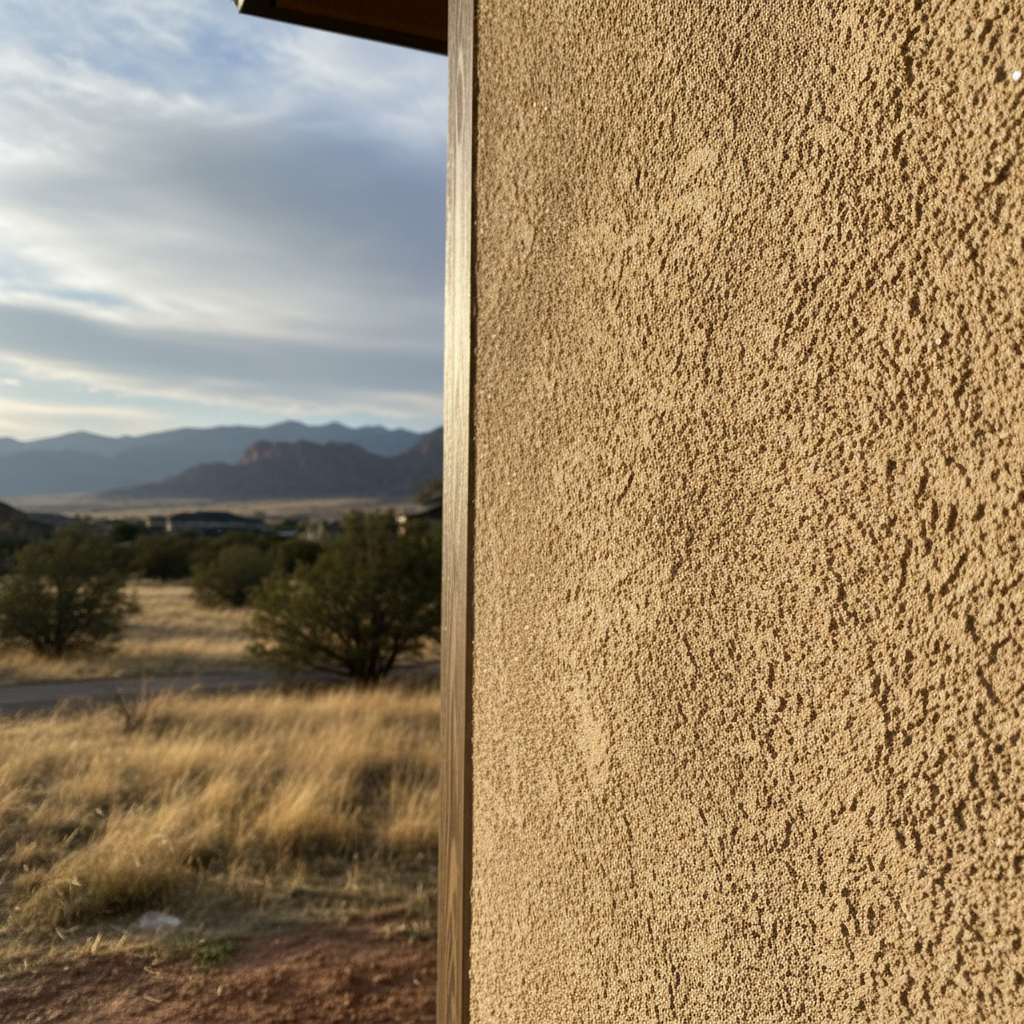
Why Inspect Your Stucco?
Look, your home's stucco isn't just for looks; it's a really important part of your building's outer shell, protecting against our wild Lehi weather. From that harsh summer sun to the freezing winters and then the spring thaw, your stucco definitely takes a beating. If you ignore potential issues, well, that can lead to bigger, more expensive problems down the road — things like water getting inside and even structural damage. Trust me, I've seen it happen too many times. A little proactive checking can save you a ton of headaches and money, you know?
What You Can Do Yourself: The Visual Check-Up
You don't need to be a stucco expert to spot some common red flags. Here's what you can easily look for:
- Cracks: Not all cracks are created equal. Hairline cracks, especially around windows and doors, are pretty normal because of settling and how things expand and contract. But if you see cracks wider than a credit card, or if they're spreading out like a spiderweb, those are definitely worth noting. Also, keep an eye out for cracks that run horizontally along the foundation line or vertically from the corners of openings.
- Discoloration or Staining: Dark streaks, especially under windows, near the roofline, or around things that poke through the wall like hose bibs, are a huge warning sign. This usually means water is getting in and running down behind the stucco. Mold or mildew growing on the surface is another sign of moisture problems.
- Bulges or Soft Spots: Gently press on areas of the stucco, particularly near the bottom of walls or around windows. If it feels soft, spongy, or you can actually push it in, that's a serious issue. It means the wood or material underneath is probably rotting because of water damage.
- Missing or Damaged Flashing: Flashing is that metal or plastic barrier designed to direct water away from vulnerable spots, like where the roof meets a wall, or right above windows and doors. If it's bent, rusted, or completely gone, water can easily sneak behind your stucco.
- Caulking Condition: Check the caulk around windows, doors, and any other penetrations. If it's cracked, dried out, or pulling away, it's just not doing its job of sealing out water anymore.
- Ground Clearance: Your stucco shouldn't go all the way to the dirt. There should be a gap, usually 4-6 inches, between the bottom of the stucco and the ground. If dirt, mulch, or landscaping is piled up against your stucco, it's basically creating an open door for moisture and pests. Here in Lehi, with all our new construction, sometimes grading isn't perfect, so keep a close eye on this.
When to Call a Pro: Beyond the Visual
While you can spot a lot of issues yourself, there are times when you absolutely need a professional stucco inspection. This isn't just about finding problems; it's about understanding the *cause* and the *extent* of the damage. Here's when to pick up the phone:
- Any Sign of Water Intrusion: If you see those dark stains, soft spots, or really significant cracking, don't just try to patch it up. You need someone with the right tools and knowledge to figure out where the water is coming from and how much damage it's done behind the stucco. This often means using moisture meters and sometimes even making small exploratory openings.
- Before Buying or Selling: If you're buying a home with stucco, especially an older one, a professional inspection is non-negotiable. You really don't want to inherit someone else's water problems, do you? If you're selling, addressing potential stucco issues upfront can prevent a lot of headaches during the inspection phase.
- After a Major Storm: Lehi can get some pretty intense storms, especially those summer microbursts. High winds or heavy, driving rain can sometimes expose weaknesses you didn't even know your home had. A quick check after a big one isn't a bad idea at all.
- If You're Just Not Sure: Honestly, if you've done your visual check and something just feels off, or you're worried about a particular crack, it's always better to get an expert opinion. It's like going to the doctor for a weird ache; sometimes it's nothing, sometimes it's serious, but you won't know until you get it checked.
What a Professional Stucco Inspection Involves
When I or someone from Guardian Stucco Company comes out for an inspection, we're doing more than just looking. We'll use specialized tools like moisture meters to find hidden water behind the stucco without tearing things apart right away. We check all the critical areas – around windows, doors, rooflines, and at the foundation. We're looking for proper flashing, good drainage, and how the stucco was originally installed. We'll also assess the type of stucco you have, which can impact how it performs and what kind of repairs it might need.
You'll get a detailed report outlining any issues, their likely causes, and recommendations for repair. This gives you a clear picture of your home's stucco health and what steps you need to take next.
After the Inspection: What's Next?
If your DIY check reveals minor issues like failing caulk, you can probably tackle that yourself. Just make sure you use a high-quality, paintable sealant and apply it correctly. For anything more serious – those wider cracks, soft spots, or water stains – you'll want to get a professional opinion and a quote for repairs. Don't let small problems fester; they rarely get better on their own. Address them promptly to protect your investment and keep your home safe and dry for years to come.