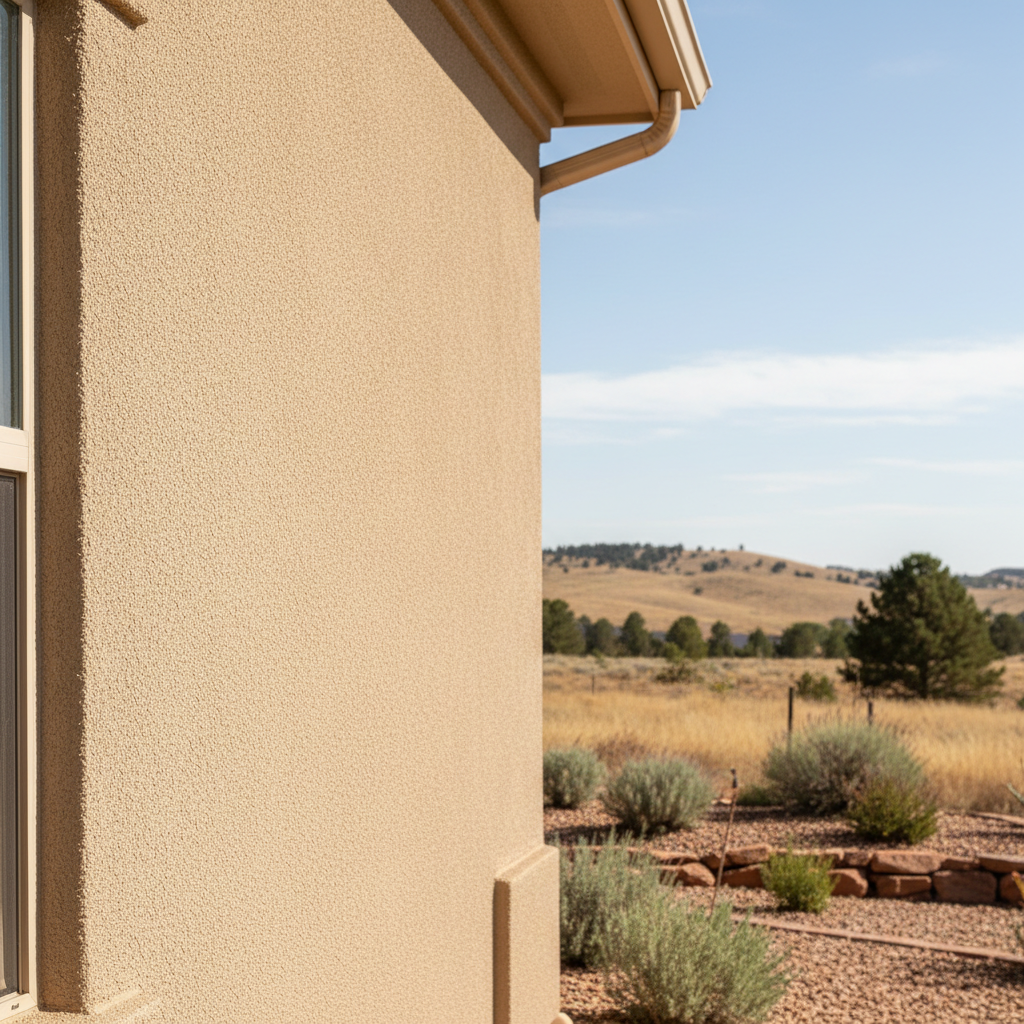
Alright, let's talk commercial stucco. I get a lot of calls from business owners here in Lehi, and while residential stucco is my bread and butter, commercial jobs have their own set of questions. It's a different beast, with different demands and often, different regulations. You want your business to look sharp, stand up to our Utah weather, and frankly, last a long time without constant headaches. So, I’m tackling the most common questions I hear about commercial stucco projects.
What's the main difference between residential and commercial stucco applications?
Good question. On the surface, it might look similar, but there are some big differences. For starters, commercial buildings often have much larger, more expansive wall surfaces. This means we're dealing with more complex expansion and control joint requirements to prevent cracking over time. Think about those big box stores or multi-story office buildings – you can't just slap stucco on like you would a small home. We're also usually working with different substrates, like concrete block or steel framing, which really impacts how we prep and apply the stucco. Code compliance is also a huge factor. Commercial projects have stricter fire ratings and structural requirements than residential ones, and that directly affects the materials and methods we use. We're talking about things like the thickness of the base coats, the type of lath, and even the curing process.
How durable is commercial stucco, especially with our Lehi climate?
Commercial stucco is incredibly durable when it's done right, and that's key here in Lehi. We get those hot, dry summers and then the freezing winters, sometimes with big temperature swings in a single day. A properly installed stucco system, whether it's traditional hard coat or an EIFS system, is designed to handle that. It's impact-resistant, which is important for high-traffic commercial areas where you might have deliveries or just more people around. It's also excellent for fire resistance, which, again, is a big deal for commercial codes. The biggest thing for durability is making sure the initial installation accounts for our local conditions – proper flashing around windows and doors, good drainage details, and using materials that can expand and contract with the temperature changes without failing. We've seen some older buildings in areas like Traverse Mountain that have held up for decades because they were built right.
What kind of maintenance does commercial stucco require?
Honestly, it's pretty low maintenance compared to other finishes, but 'low' doesn't mean 'no.' The main thing you'll need to do is regular cleaning. Commercial buildings, especially those near busy roads like State Street, can accumulate dirt and grime. A good power wash every few years usually does the trick. You'll also want to do visual inspections, maybe once a year, to look for any cracks, chips, or areas where water might be getting in. If you see small hairline cracks, it's usually not a big deal, but anything larger or areas where the stucco is delaminating needs attention. Catching these things early prevents bigger, more expensive repairs down the road. It's about being proactive, not reactive – wouldn't you agree?
Are there specific aesthetic considerations for commercial stucco?
Absolutely. For commercial properties, aesthetics are often tied directly to your brand and how customers perceive your business. You've got a lot of options. Colors are a huge one – you can match your company's branding perfectly. Textures also play a big role; from smooth finishes to rougher, more traditional looks, it can completely change the building's character. We can do different architectural details too, like banding, quoins, or cornices, to add depth and visual interest. It's about creating curb appeal that draws people in. Think about the businesses around Thanksgiving Point – they often use stucco to achieve a clean, modern, or even a more rustic, inviting look that fits the area's aesthetic.
How does stucco contribute to energy efficiency in commercial buildings?
This is a big one for operating costs, especially with our hot summers and cold winters. Stucco, particularly EIFS (Exterior Insulation and Finish Systems), offers excellent thermal performance. EIFS essentially wraps your building in a continuous layer of insulation, reducing thermal bridging and making it much harder for heat to escape in winter or get in during summer. Even traditional stucco, with its density, offers some thermal mass benefits, slowing down heat transfer. This can lead to significant savings on your heating and cooling bills over the life of the building. For a commercial property, those energy savings can really add up, making it a smart investment.
What local codes or regulations in Lehi should I be aware of for commercial stucco?
This is where having a local contractor like Guardian Stucco Company comes in handy. Lehi, like any city, has its own set of building codes and zoning ordinances. For commercial projects, these are often more stringent than residential. We're talking about things like fire resistance ratings, R-value requirements for insulation, and specific detailing around openings to meet energy codes. There are also aesthetic guidelines in certain commercial zones that might dictate what colors or finishes are acceptable. Before any work starts, we always make sure to pull the necessary permits and ensure the project is designed and executed to comply with all Lehi city regulations. You don't want to get halfway through a project only to find out you're not up to code – that's a headache no business owner needs.
What's the typical timeline for a commercial stucco project?
That's tough to give a one-size-fits-all answer because commercial projects vary so much in size and complexity. A small retail storefront might take a few weeks, while a multi-story office building could be several months. Factors like the size of the building, the complexity of the architectural details, weather conditions, and the type of stucco system chosen all play a role. We'll always give you a clear timeline upfront after we've assessed your specific project. We understand that time is money for a business, so we work efficiently to minimize disruption and get your property looking its best as quickly as possible, without cutting corners on quality.
Can stucco be repaired on a commercial building, or does it need full replacement?
Most of the time, commercial stucco can be repaired. If you've got damage from an impact, a small section that's failing, or some cracking, we can usually patch it up. The key is to match the existing texture and color as closely as possible, which takes skill and experience. Sometimes, if the damage is extensive, widespread, or if there's a significant underlying issue like water intrusion that's compromised a large area, then a full section or even a full wall replacement might be the more cost-effective and durable solution in the long run. It really depends on the extent and nature of the problem. We'll always give you an honest assessment and explain your options.