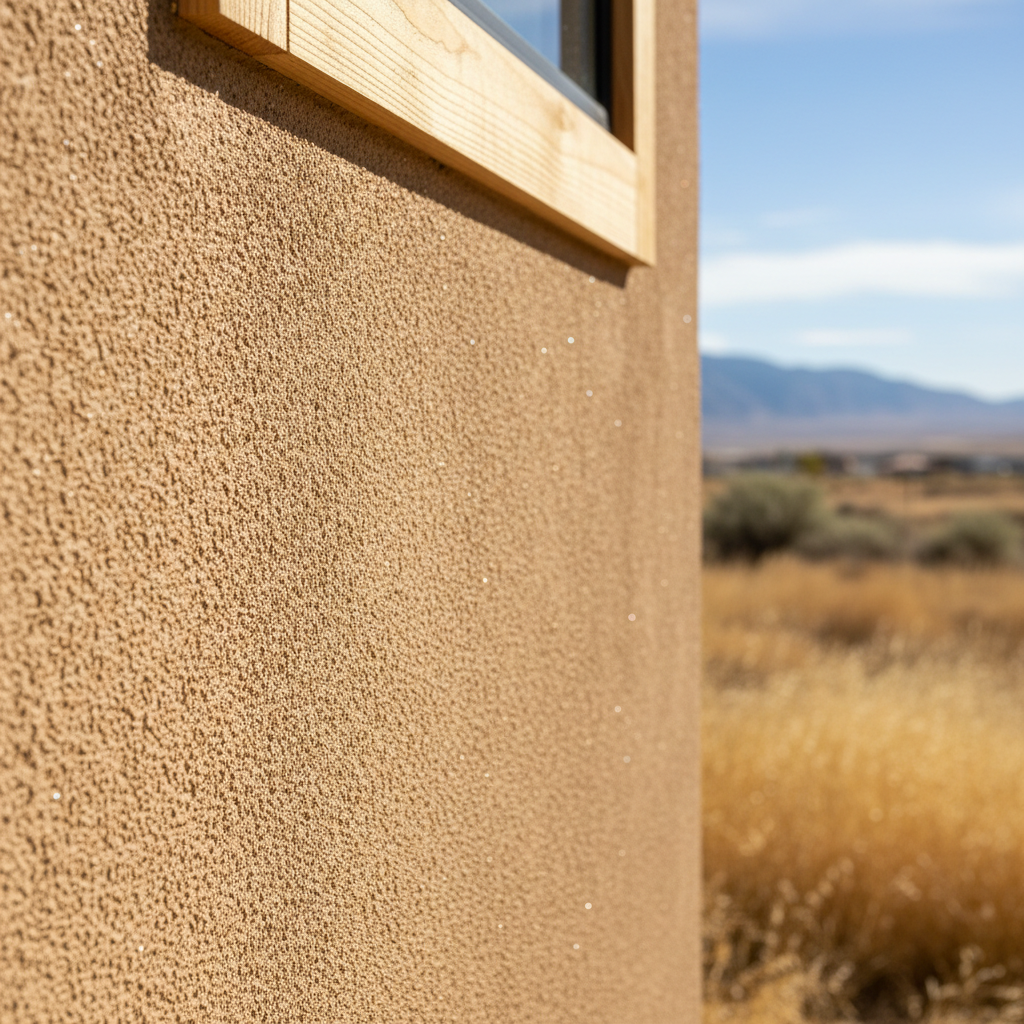
Have you walked around your house lately and actually looked at your exterior walls? Most homeowners in Lehi, UT only think about their Stucco Repair when a large piece falls off or a dark stain appears after a spring rainstorm. By that time, moisture might already be trapped behind the finish. Catching Stucco Repair problems early saves you hundreds of dollars in repair costs, and you do not need an engineering degree to spot the obvious warning signs.
Before you grab a ladder, let us talk about what you can safely handle on your own and what requires professional equipment. Guardian Stucco Company has been fixing exterior walls all over Utah Valley for years, and our team sees the same preventable issues pop up in neighborhoods from Traverse Mountain down to the older parts near downtown Lehi. The clay-heavy soils and wild temperature swings in Lehi, UT put a heavy burden on masonry, making regular checkups a key part of home maintenance.
Before You Start: Getting Your Eyes Ready
You do not need much gear for a basic homeowner walkthrough. Grab a notepad, your phone camera, and a bright flashlight. Pick a dry afternoon when the sun hits your exterior walls at an angle. That oblique lighting is your best tool for revealing hairline cracks, bulges, and texture flaws that disappear under direct overhead noon sunlight.
Walk the entire perimeter of your house in Lehi. Look closely at areas where different materials meet, like where the Stucco hits your stone veneer, wood trim, or the concrete foundation. Check around every single window frame and door jamb, because poor flashing during original construction is where water almost always sneaks in first.
During the Walkthrough: What to Look For
Keep your eyes open for specific trouble spots. Stucco is tough, but the dry summers and freezing winters in Lehi, UT will test every square inch of Stucco on your home.
- Hairline cracks smaller than a credit card thickness that might just need a little elastomeric caulk or patching compound.
- Staining or rust streaks running down from window corners, which usually means the metal flashing behind the wall is failing.
- Soft or spongy spots near the bottom of the wall where sprinklers hit the surface day after day.
- Crusty white deposits called efflorescence, telling you moisture is actively moving through the wall and pushing salts out.
If you see a crack wider than a nickel, or if the surface feels hollow when you tap it gently with your knuckles, make a note of it. That is your cue that the bond between the base coat and the wire lath might be breaking down.
After the Inspection: DIY Fixes vs. Calling a Pro
Once you finish your lap around the house, you will have a good idea of what is going on. So, what can you actually fix yourself?
If you find minor hairline cracks away from windows and doors, you can clean out the loose debris and apply a textured masonry patching product. Take your time matching the texture so it does not look like a patch job from ten feet away. Keep in mind that painting over it with a good quality breathable masonry coating will help seal out moisture.
Everything else belongs on a professional desk. If you suspect water has gotten behind the system, if you see bubbling or bulging sections, or if cracks are letting daylight through, you need to call in reinforcements. At Guardian Stucco Company, we use thermal imaging and moisture meters to figure out what is happening beneath the surface without tearing up your whole wall unnecessarily. Trying to DIY deep water damage or failing lath usually leads to a much bigger Stucco Repair bill down the road.
Take an hour this weekend to walk your property in Lehi. Your exterior walls protect everything you own, and a little attention now keeps your home solid through whatever Utah weather comes next. Guardian Stucco Company provides Stucco Repair services for homes and businesses in Lehi, UT.